Τhe GNCHR Hosts a Two-day Workshop of the ECOSYSTEM Programme on Hate Crimes with the Participation of ODIHR and the Racist Violence Recording Network

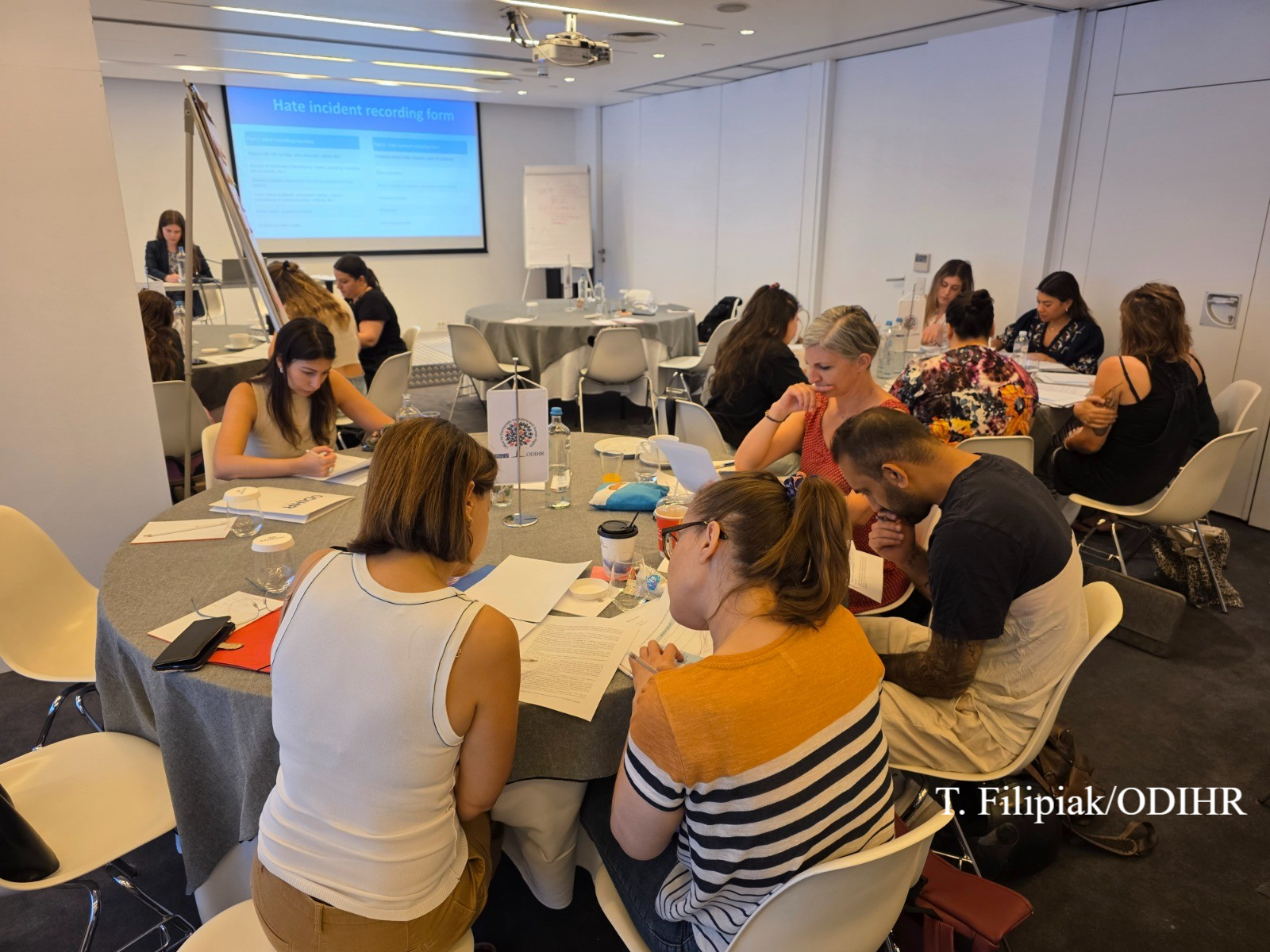
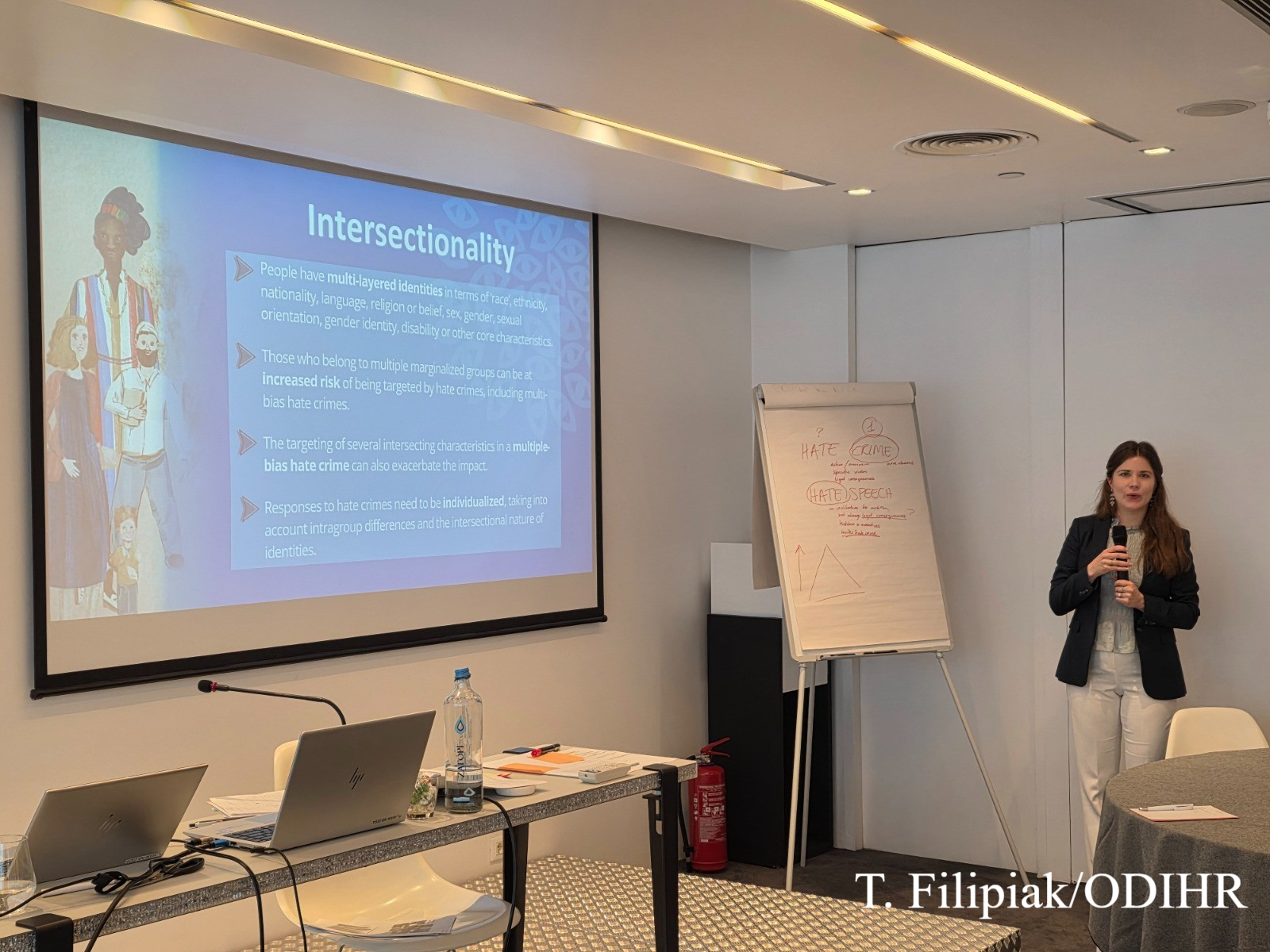
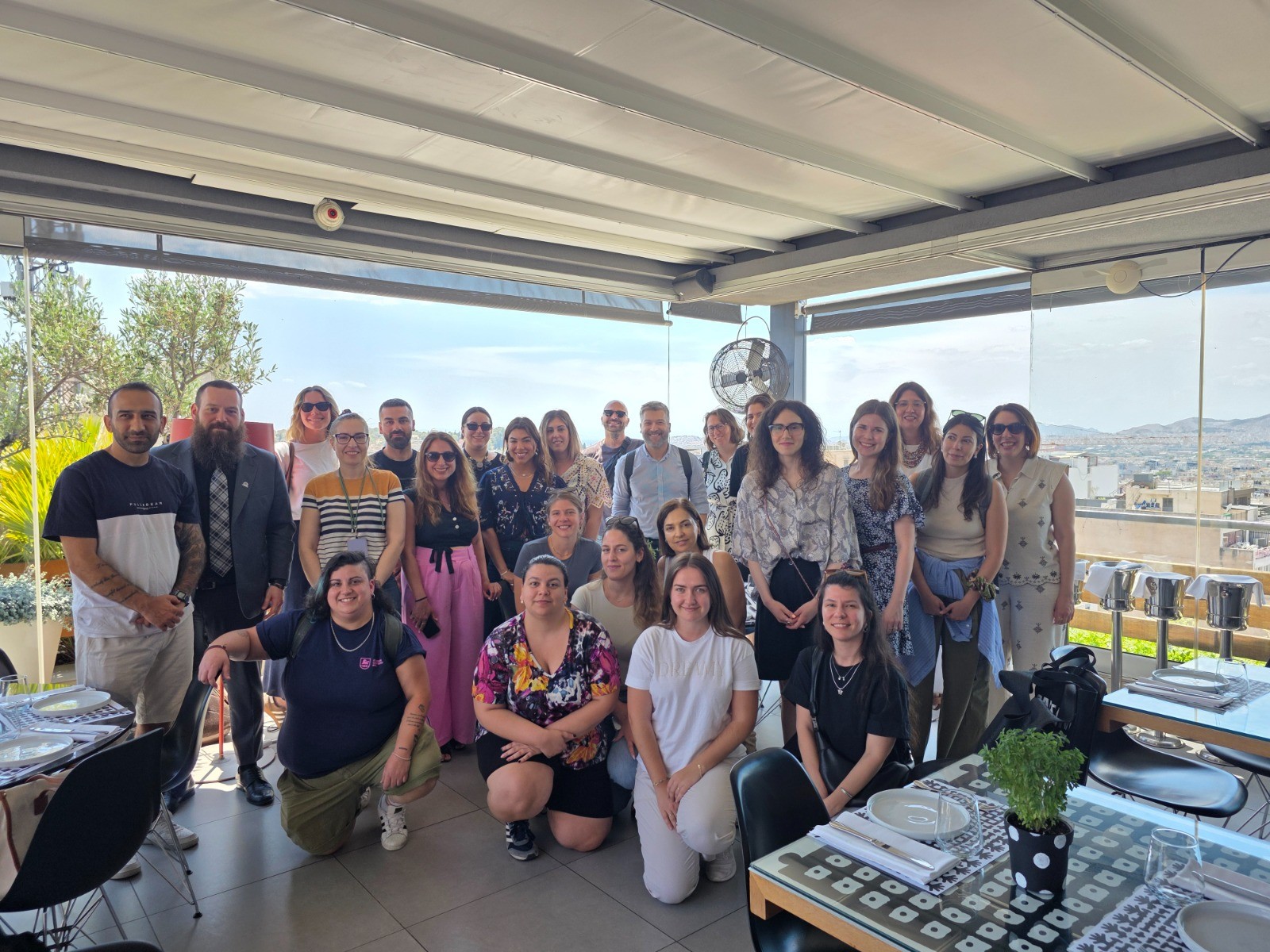
The Greek National Commission for Human Rights (GNCHR), in cooperation with the OSCE Office for Democratic Institutions and Human Rights (ODIHR) and the Racist Violence Recording Network, hosted a two-day ECOSYSTEM project workshop on hate crime, which took place in Athens on 24 and 25 June 2026. The workshop brought together civil society organizations participating in the Racist Violence Recording Network, which operates since 2011 on the initiative of the GNCHR and the Office of the United Nations High Commissioner for Refugees.
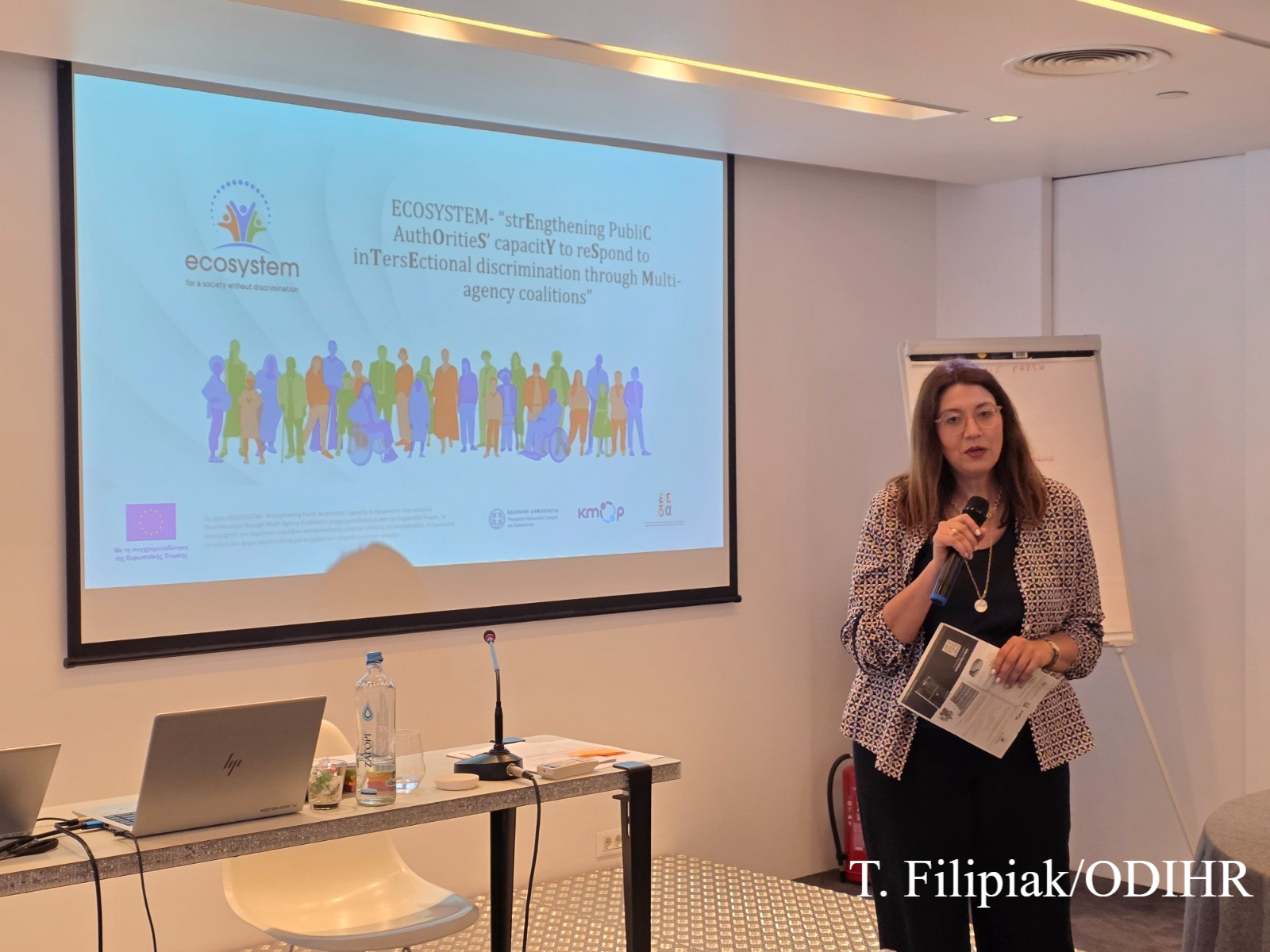
The GNCHR was represented at the workshop by Eva Tzavala, Director of the Greek National Commission, Dr. Maria-Louiza Deftou, Special Adviser on Racist Violence, Fani Stathoulopoulou, Legal Associate and Sofia Aggelopoulou, trainee, student of the Greek National School of Public Administration. The workshop also featured presentations by Tomasz Filipiak, Associate Project Officer at ODIHR, and Mikaela Christiansson, ODIHR Adviser on Combating Racism, Xenophobia and Religious Intolerance. The Ministry of Social Cohesion and Family Affairs and KMOP – Social Action and Innovation Centre, which also participate as partners in the ECOSYSTEM project along with the GNCHR, were represented respectively by Theofilos Tsagris, Head of the Human Rights Department of the General Secretariat for Equality and Human Rights, and Elli Kaplani, Researcher at KMOP.
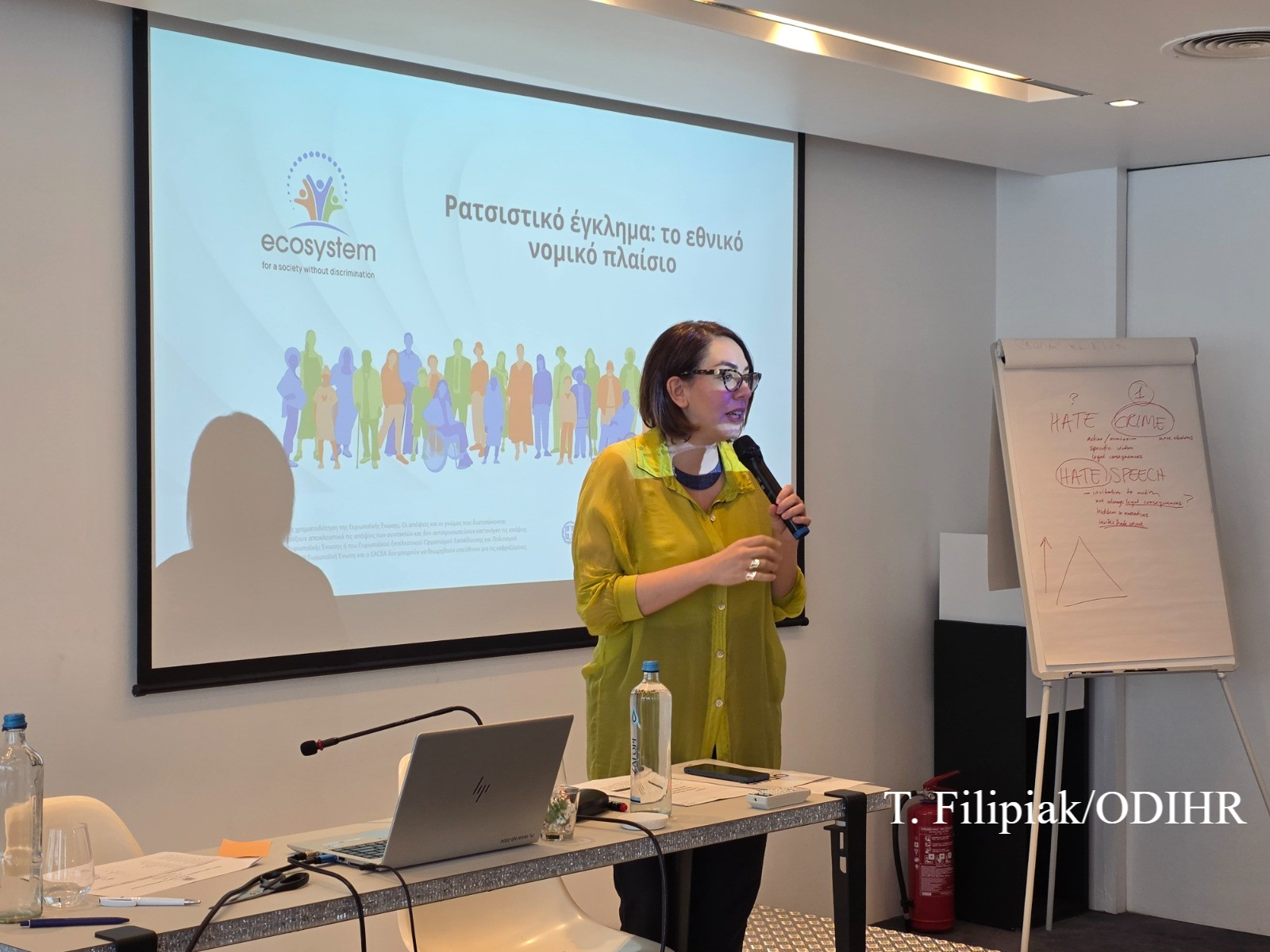
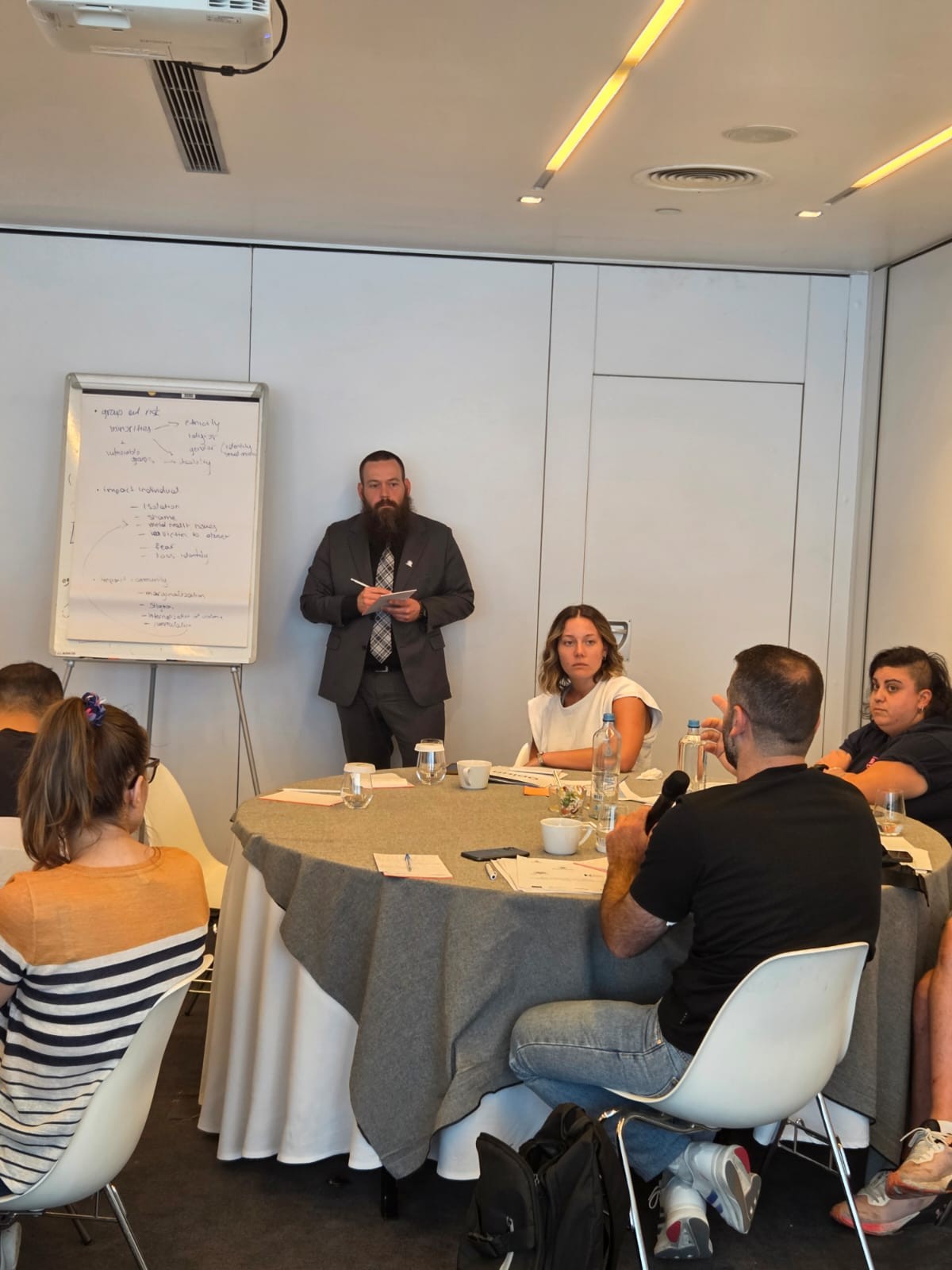
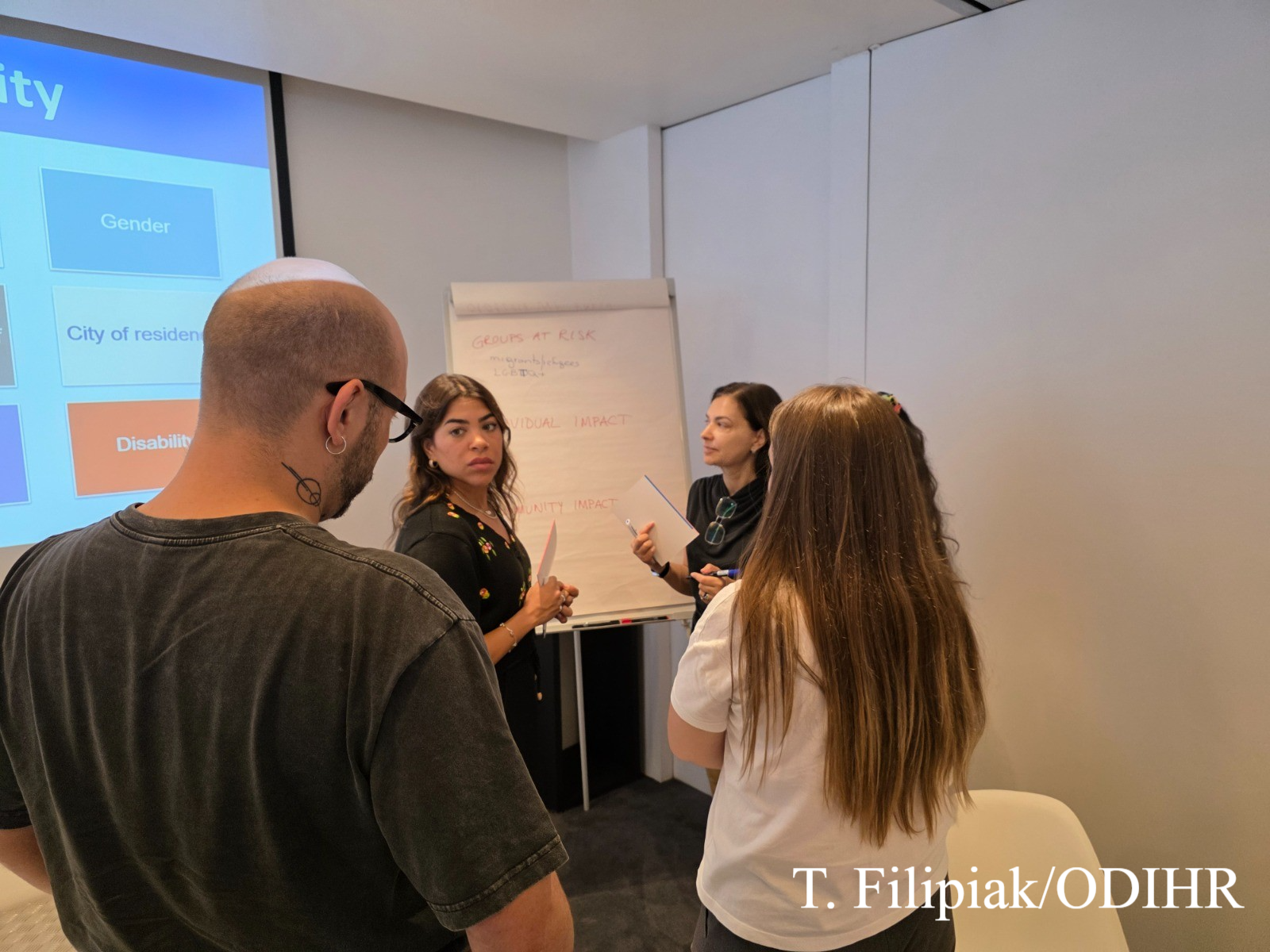
During the first day of the workshop, participants focused on the impact of hate crimes on victims and communities, analysing practical examples that highlighted the consequences of these crimes both on the mental health of victims and on social cohesion. At the same time, emphasis was placed on the definition of hate crime and its distinction from hate speech and other criminal offences, while tools for identifying and recording hate crimes through the use of bias indicators were presented. Particular focus was also given to the current legislative framework in Greece, enhancing participants' understanding both of the legislative measures that have been adopted to address the phenomenon more effectively and of the gaps that continue to be observed in the implementation of the legal framework. Finally, the new support platform for victims of racism and discrimination in Greece, developed within the framework of the ECOSYSTEM project, was presented.
On the second day, the discussion focused on the methodology for the systematic monitoring, recording and reporting of hate crimes in accordance with ODIHR standards, as well as on the challenges faced by civil society organisations in recording incidents and supporting victims. Participants exchanged experiences and best practices, with particular emphasis on providing support to victims with sensitivity and respect for their dignity, to avoid their secondary victimisation.
Within the framework of its mandate and institutional role, the GNCHR continues to build bridges of dialogue, cooperation and coordinated action among public authorities, social partners and civil society organisations to enhance effectiveness of combating racism, discrimination and hate crimes.
The EU co-funded ECOSYSTEM project (StrEngthening publiC authOritieS' capacitY to reSpond to inTersEctional discrimination through Multi-agency coalitions) is an initiative of the Ministry of Social Cohesion and Family Affairs, the Greek National Commission for Human Rights and KMOP – Social Action and Innovation Centre, with the aim of promoting a society free from discrimination and exclusion.
More information about the ECOSYSTEM project is available at: https://www.ecosystem-project.eu/